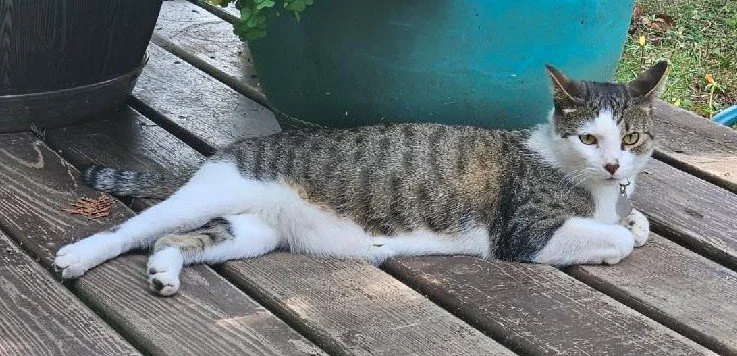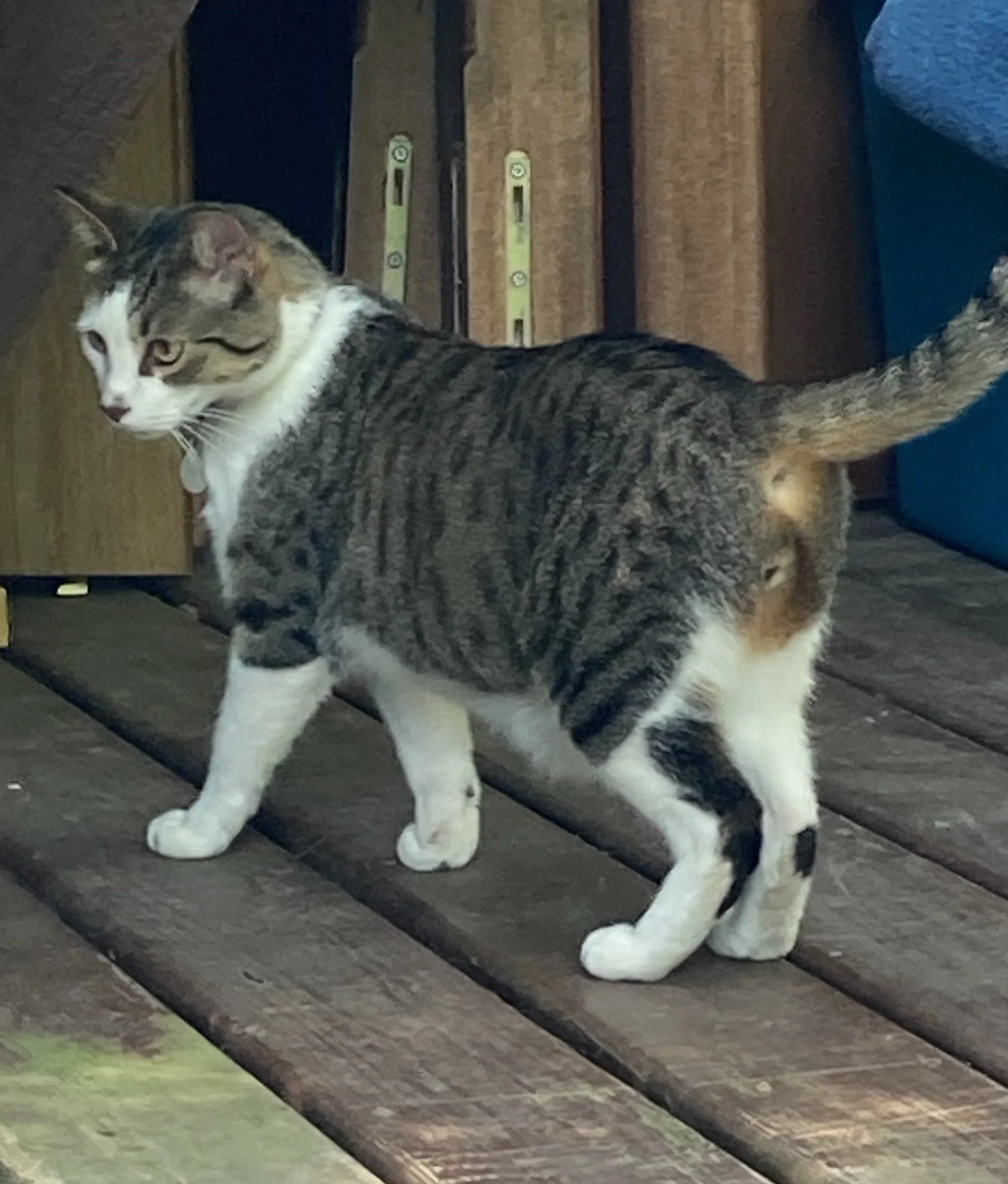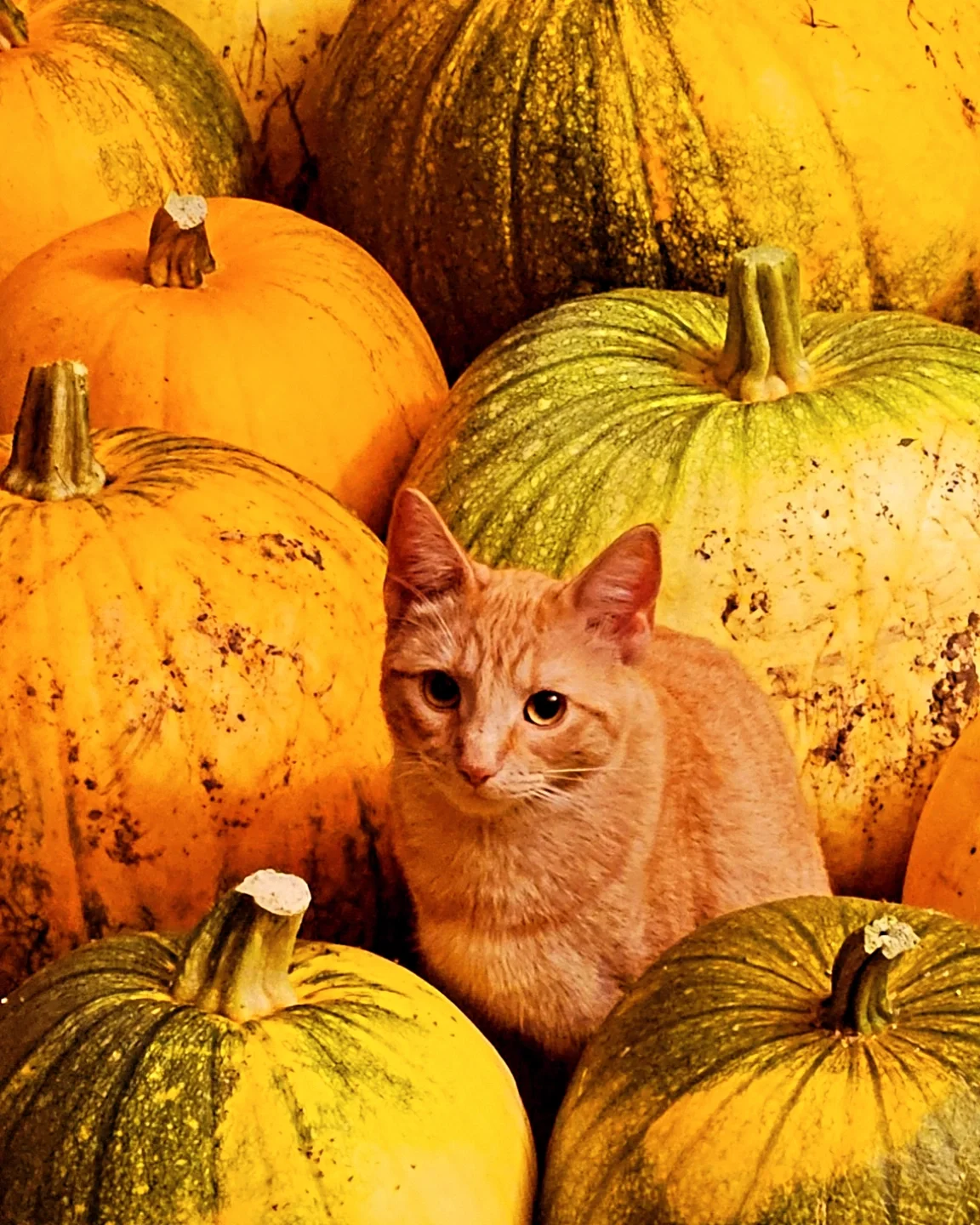

November is National Senior Pet Month, as well as National Senior Pet Adoption Month. If you have a senior pet, or you’re thinking of adopting a senior pet, this information is for you.
While a cat is considered a senior at age 10, dogs are a little trickier to determine. Generally, a small dog 8 – 20 pounds is a senior at 10 – 11 years old, a medium dog 20 – 50 pounds at 8 – 10 years, large dog 50 – 90 at 8 – 9 years and a giant breed over 90 pounds at 6 – 7 years.
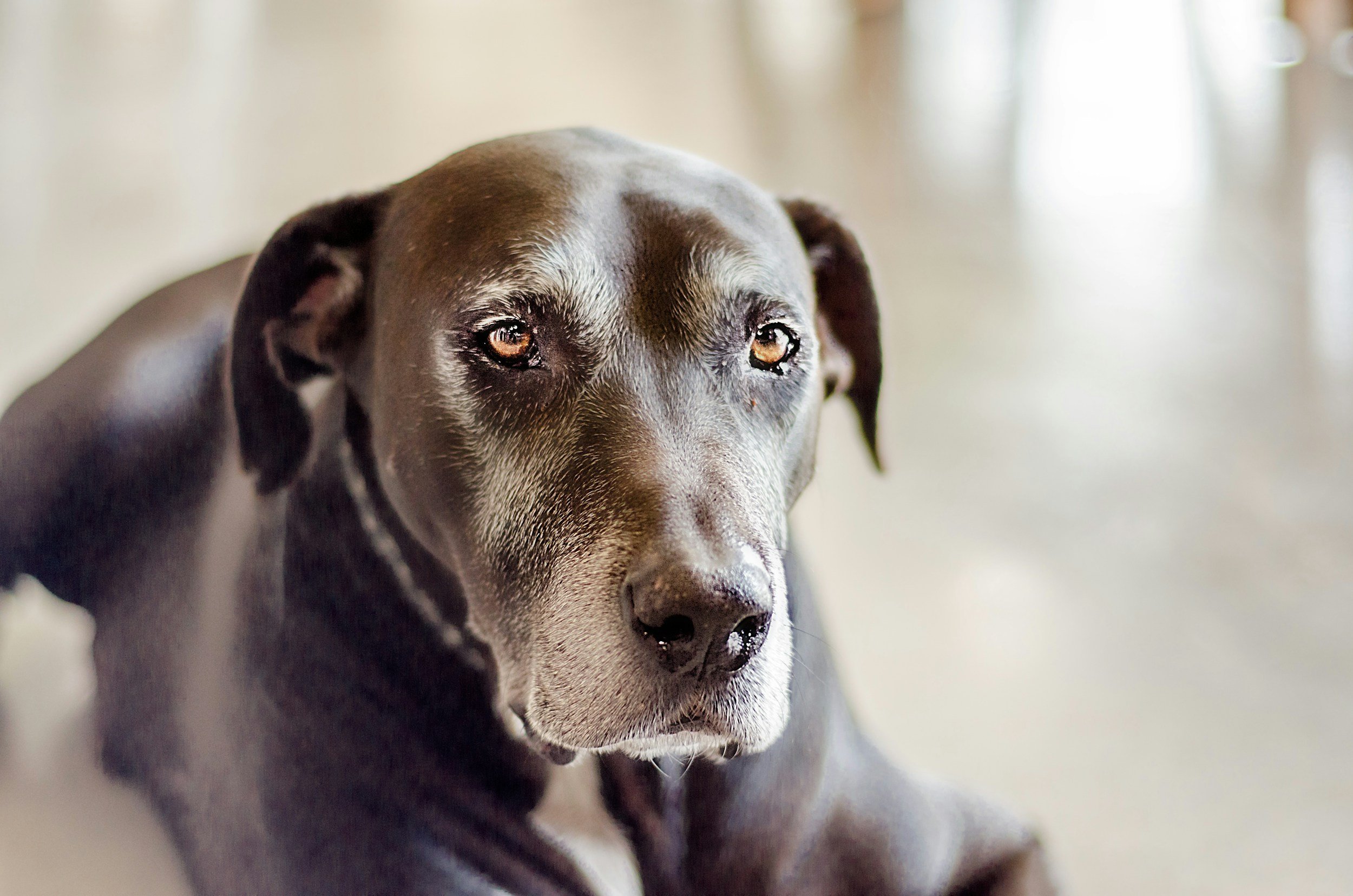
Around these ages, pets require a bit more attention to their physical and mental health to ensure they can still live healthy and comfortable lives. Certain diseases and conditions are more common for pets as they age, so biannual exams and yearly senior bloodwork are the best way to assure anything brewing is caught early, treated quickly and monitored carefully. Some of those conditions that need closer monitoring as our pets age are kidney and liver function, dental health, weight gain or loss and diet, mobility and mental health and parasite control.
Due to the common health conditions that can crop up with age, be on the lookout for the following signs that something may need medical attention:
- Abdominal swelling
- Bleeding from the mouth, nose, or other body openings
- Difficulty eating, swallowing, or breathing
- Lumps, bumps, or discolored skin
- Non-healing sores
- Persistent diarrhea or vomiting
- Decreased appetite or weight loss
- Excessive thirst and urination
- Unexplained swelling, heat, pain, or lameness
- Coughing
- Urine or bowel accidents
- Changes in coat/skin health
- Trouble moving normally or exercise intolerance
- Excessive panting
- Excessive licking of feet or legs, or bedding/floor near feet or legs
- Changes in behavior or disposition
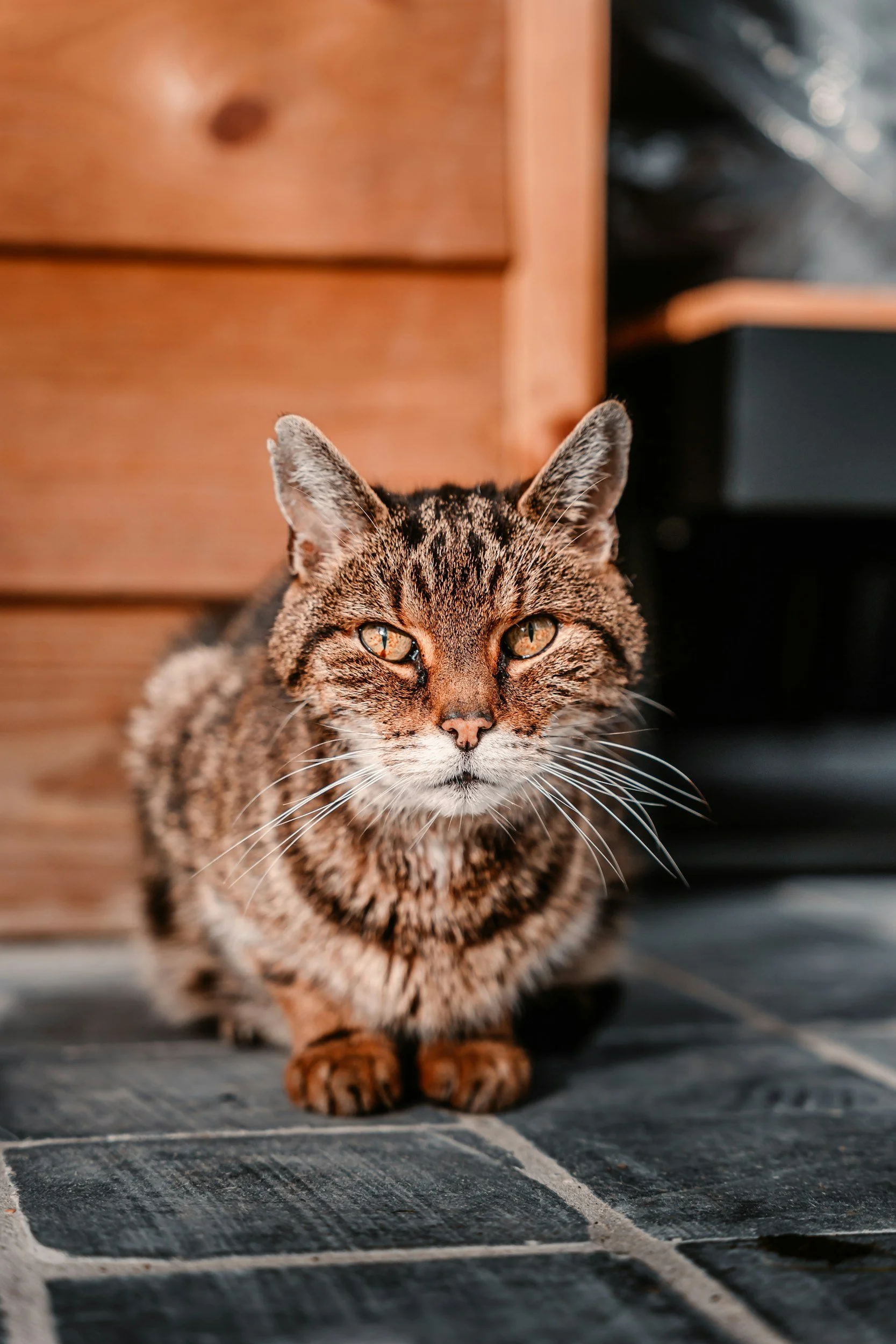
Keep an eye on your senior pet’s weight. Overweight pets are more susceptible to many health conditions. Arthritis, difficulty breathing, insulin resistance or diabetes, heart disease, high blood pressure, skin problems, and other conditions can crop up or be exacerbated by excess weight. Older pets also tend to loose muscle mass, which can make them weaker and less able to support excess weight. Here are some tips to treat your pet while also helping them maintain a healthy body condition:
- Use praise, toys and play to treat your pet
- Use vegetables such as broccoli or asparagus or green beans if your pet enjoys these
- Separate out some of their daily portion of food in a separate container and use that for treats
- Use small amounts of lean meats such as chicken breast (not luncheon meats or other processed, fatty or salty meats) to treat your pet
Many people wonder if this may be the time to introduce a new pet into the home. It’s a good idea to first talk with your veterinarian to ensure the best outcome for your senior pet and your family. Your veterinarian can help you determine whether your senior pet is able to stand having a puppy or kitten in the home. Senior pets need to be able to move away from the new pet to a space that is safe, comfortable and exclusively for them so they can take a break and rest.
Finally, there will come a day when it is time to say goodbye to your senior pet. How can you know when that time has come? This is a very difficult and personal decision. Your veterinarian can help you decide if that time has come with an honest evaluation of your pet’s quality of life. They can provide options for memorializing you pet, and information on dealing with the grief of loss.
We wish you and your pets a healthy and happy bond throughout their lifetime.